
Scientific Name: Culicicapa ceylonensis
IUCN Status: Least Concern
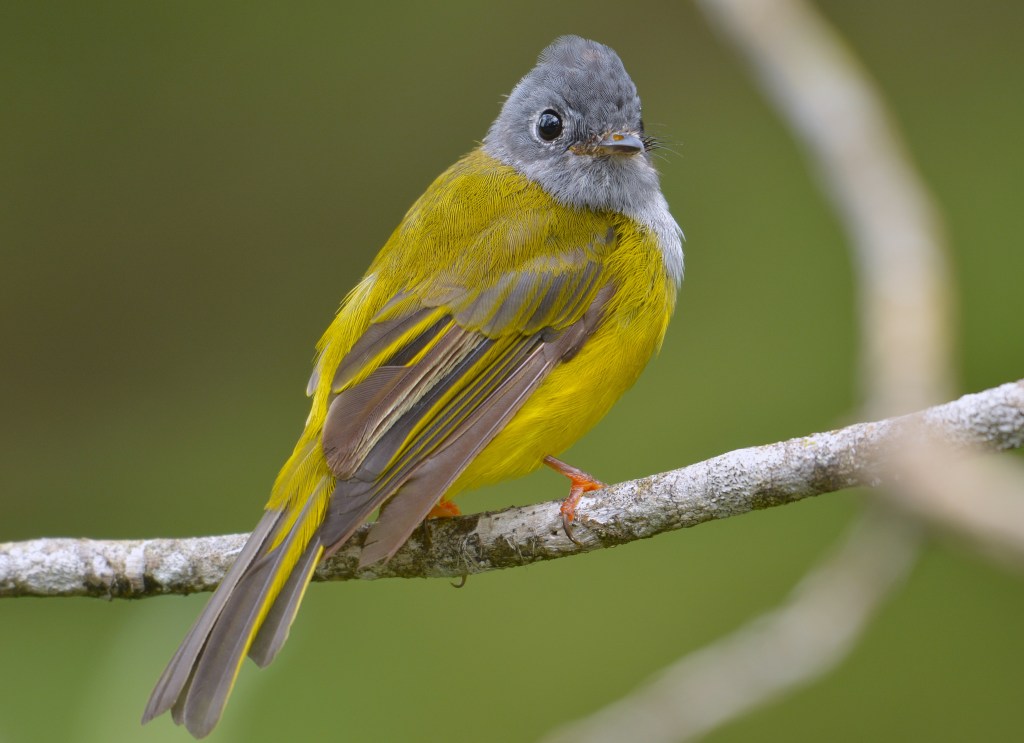
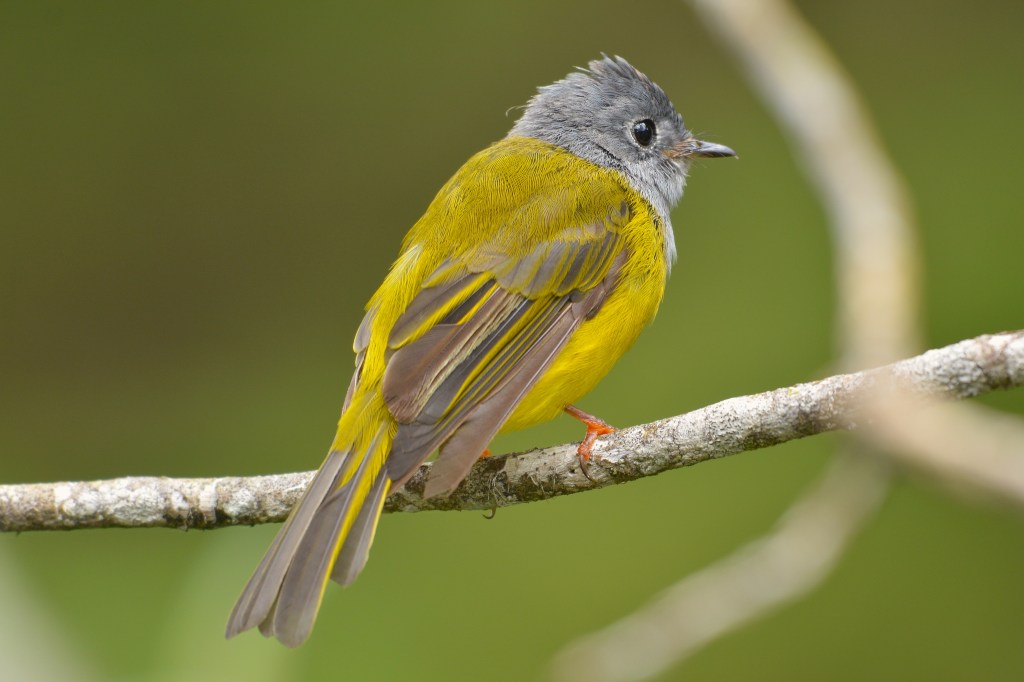
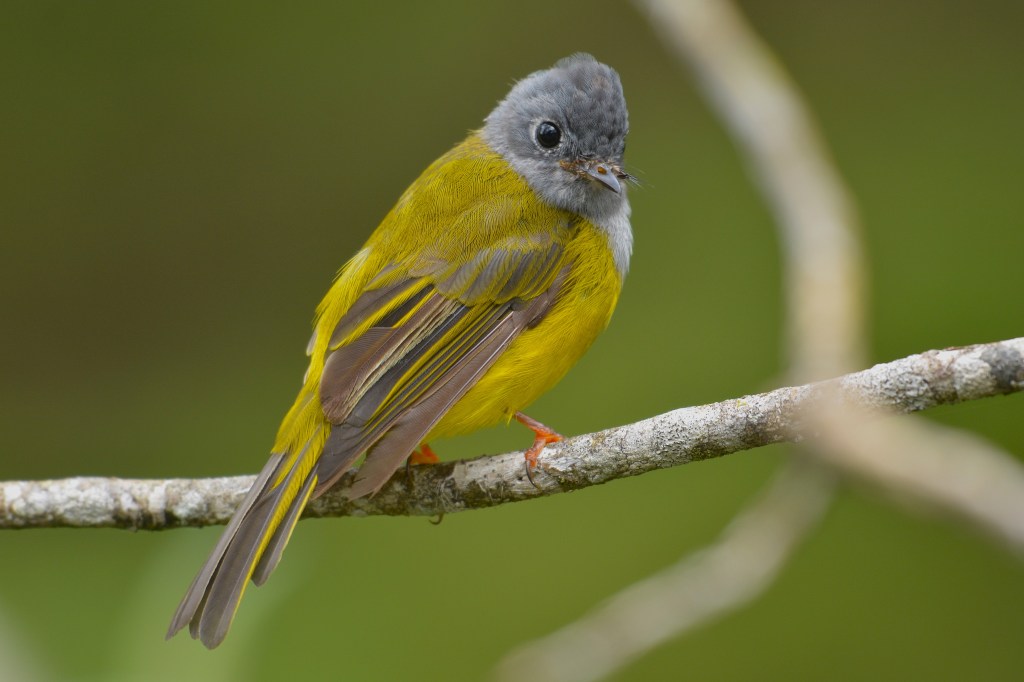
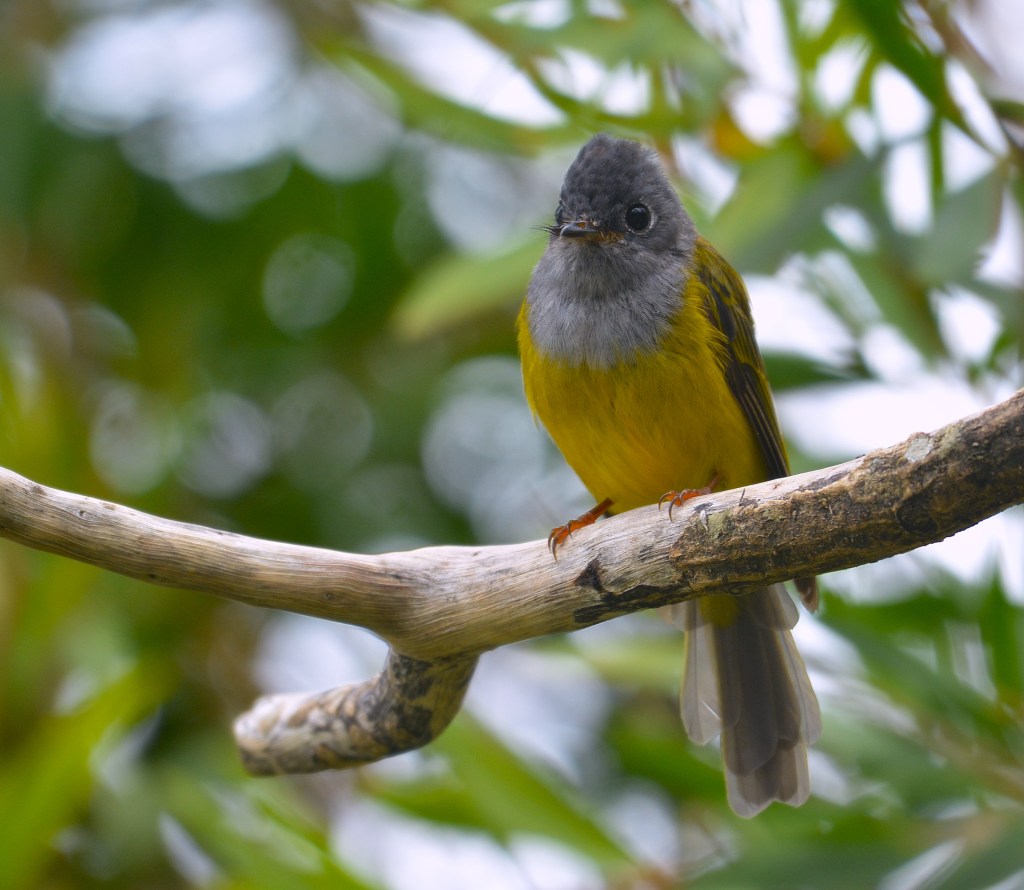
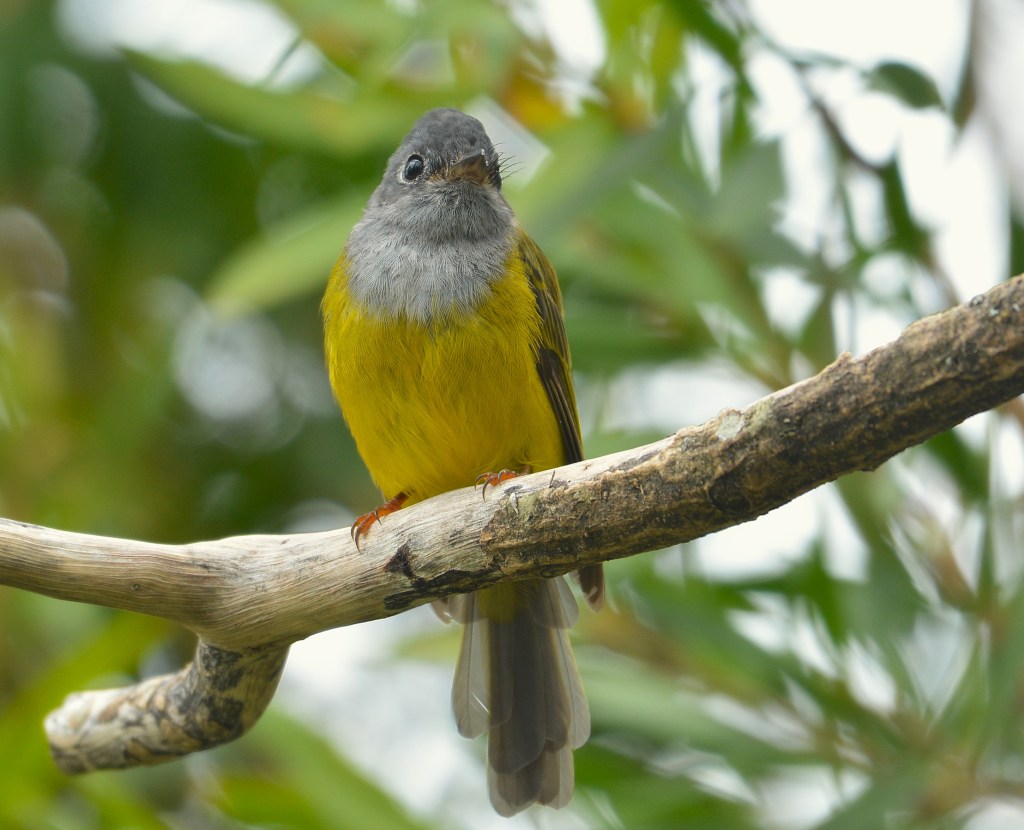
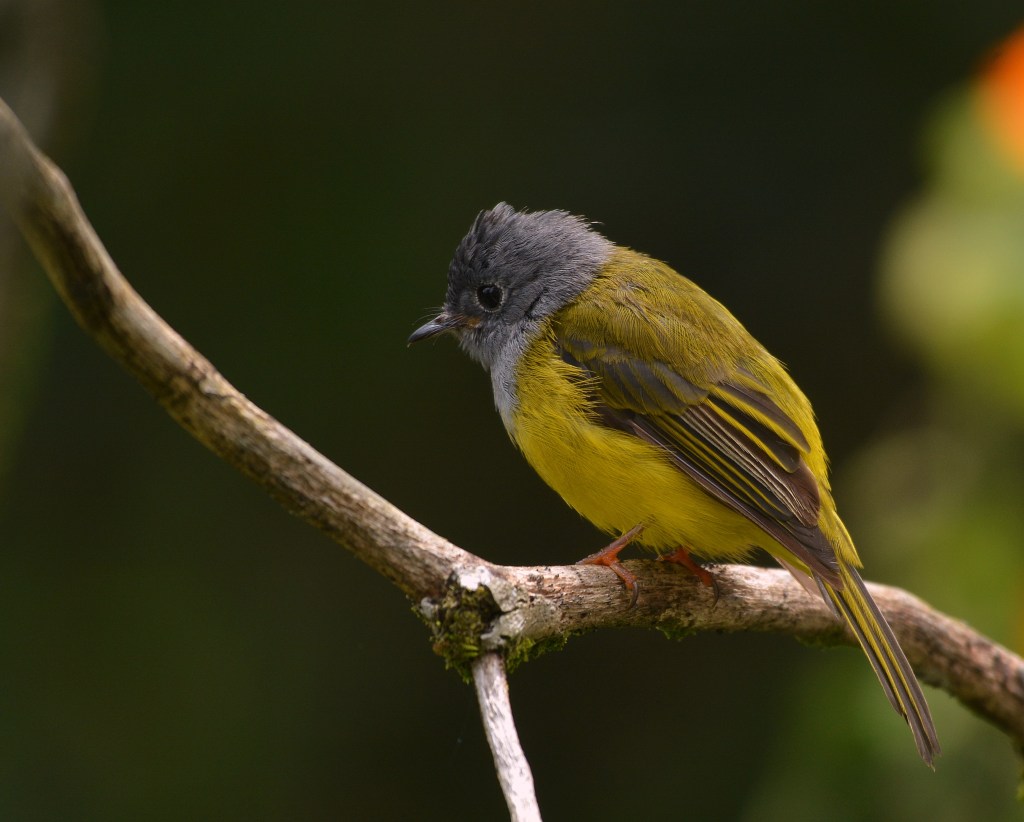
A small compact eye catching flycatcher with a square peak shaped hood colored in a faint grey with bright canary yellow belly parts making up the ventral areas. The upper parts and tail feathers of the flycatcher are colored in a olive green/subtle brown. A narrow eye ring is also a conspicuous characteristic of the dainty and springy bird species, that has a large range covering Sri Lanka, central and north India, South East Asia to islands of Indonesia. These mostly woody birds are found as mixed species or as paired partnerships, and are known for their sullies that is a trademark of flycatchers, springing into action to catch tiny airborne invertebrates.
Small by any measure, the length of a typical grey headed canary flycatcher amounts to 12–13 cm (4.7–5.1 in) and is known to perch in an upright posture providing the bird lovers, a candid and often vibrant look at the colors that compose this vivid “pocket dynamite” species of flycatcher. The beak of the species of flycatcher is flat with a fringe of bristles forming the periphery of the triangular rostrum [the former genus name attributed as Platyrhynchus based on the flattened nature of the beak].
Variations in size and coloration have bred taxonomically designated subspecies. The nominate subspecies breeds in Sri Lanka as well as in most areas of the Indian subcontinent, including the Western and Eastern Ghats. Considered originally as an old world flycatcher, these birds are now catalogued as a new family designated as Stenostiridae [Fairy Flycatchers] based on molecular phylogeny studies, and are also referred to as Sternostirid Warblers.
There are two species under the genus Culicicapa of the family Stenostiridae.
- Grey headed canary flycatcher – Culicicapa ceylonensis
- Citrine canary flycatcher – Culicicapa helianthea
The grey headed canary flycatcher is known to build its nests [built exclusively by the female of the species] near mossy embankments next to trees as well as on rocky cavity filled terrain and in sticky mud banks, and the common clutch size is known to be three to four eggs.
Source: E-Bird and Wikipedia
 Perched Poems: Avifauna in Sri Lanka