

Scientific Name: Alcedo atthis
IUCN Status: Least Concern
A blue and orange pocket dynamite that can be seen darting above water streams, has its own unique plumage, and can be found sitting around water bodies waiting for a bounty of small fish. A shrill-whistled call characterizes this bird’s vocal power but is more heard than seen from the hideouts that are patronized by this shy creature. The range of this beautiful and ornate bird spans Europe to South Asia, with sightings reported from as far as Japan.
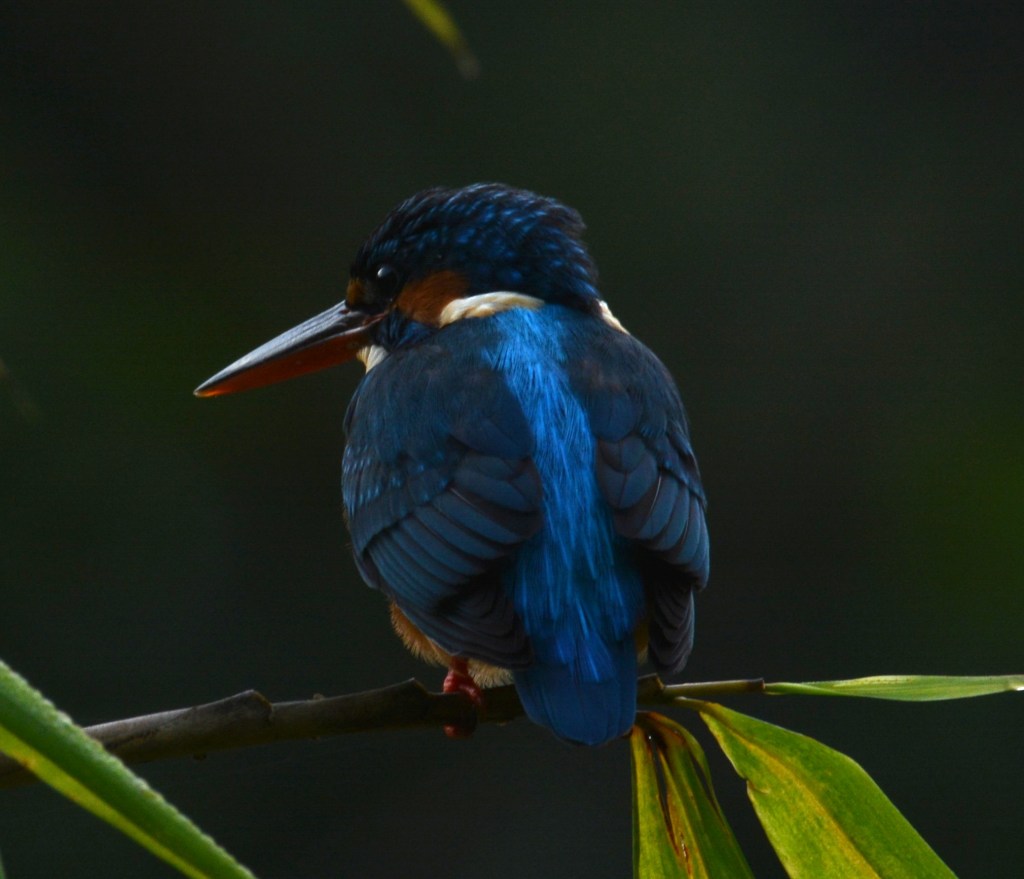
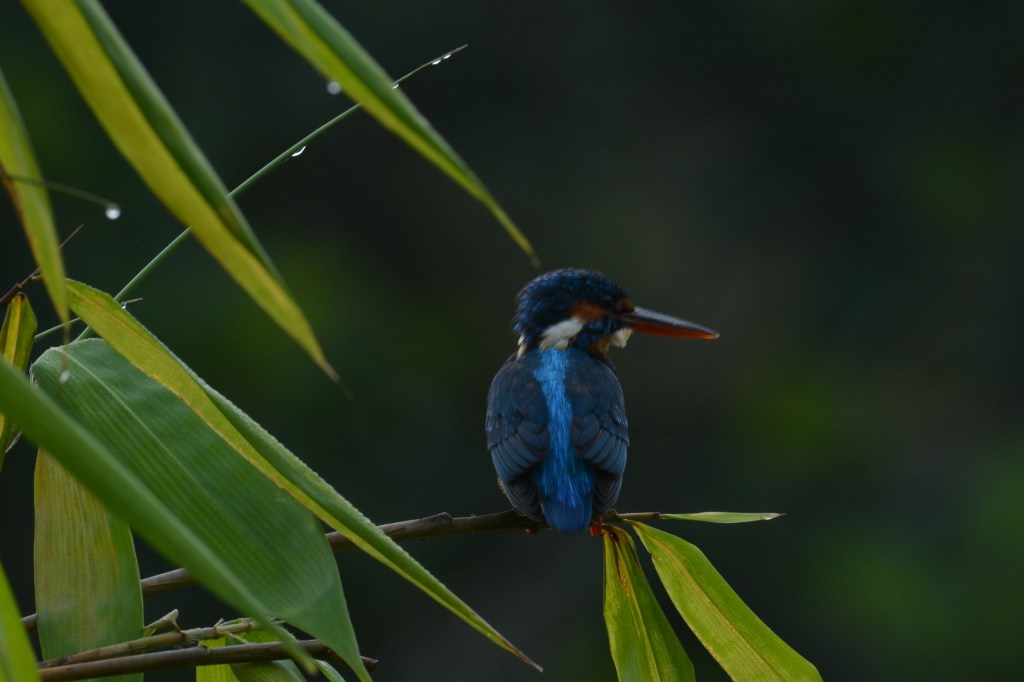
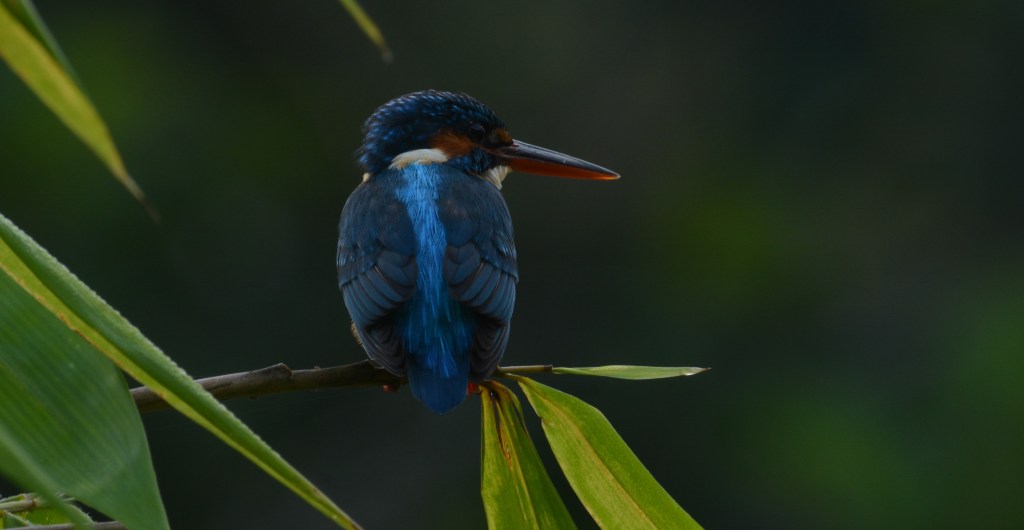
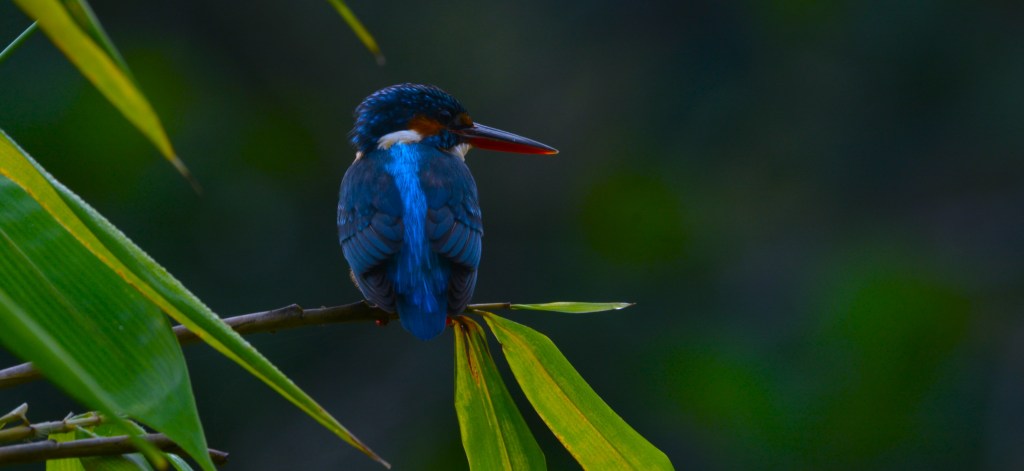
An entirely blue coat of feathers, a chestnut eyepatch below the ocular devices, a heron white throat and adjacent areas of a neck and perching on two small feet that are colored in a rich red, epitomize the outer appearance of a bird that is swift on its wings but can be seen meditating on branches of trees and anthropogenic architecture, with a tranquilizing serenity. This species of kingfisher has a long, sharp and sturdy beak to secure its bountiful catch.
During mating season, this solitary kingfisher can be seen attracting mates by its loud whistling noise and can be termed as annually monogamous with a new mating partner each year. The breeding interval includes 2-3 clutches per year. The male and female of the species are known to raise the young teaming up during the parental stages of their lifespan.
With a lasers sharp eyesight and compensation for refraction, this kingfisher species is known to pounce on fish with pinpoint accuracy and a membrane over the eye protects its ocular organs during the descent for fish prey. Small fish make up 2/3 of the kingfisher’s characteristic diet and the remainder compose of small crustaceans.
Sources: E-Bird and Animal Diversity Web
 Perched Poems: Avifauna in Sri Lanka